Growing a Europe-Wide Community of Eco-Trainers

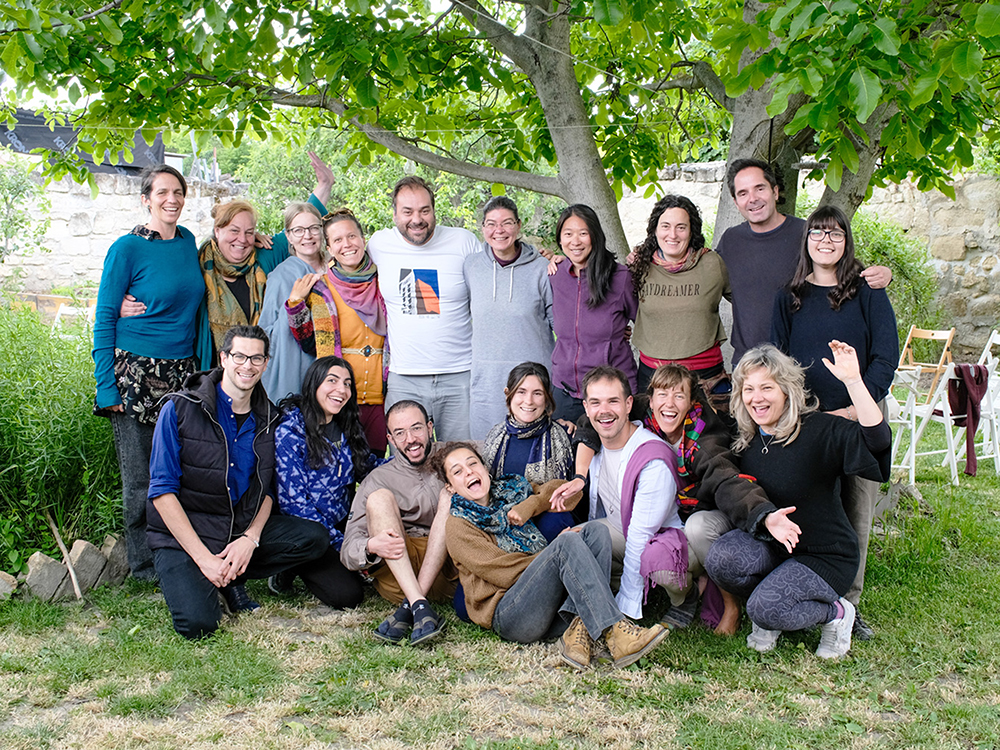
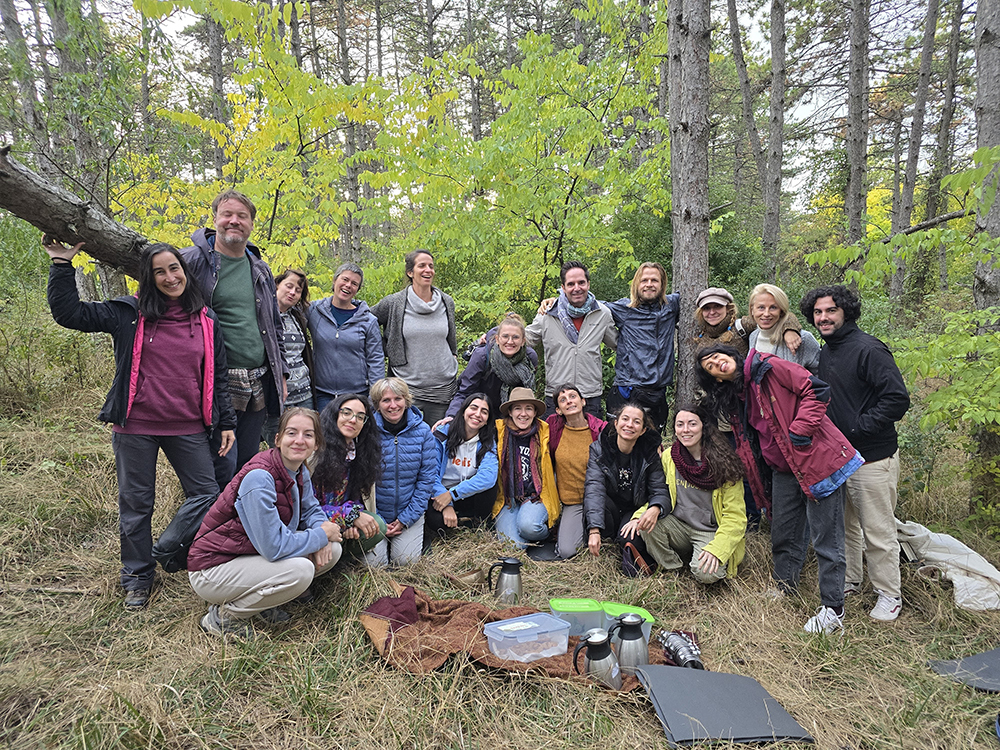
Meet the vision behind our Pool of Eco-Trainers, a Europe-wide community with diverse experiences in ecological education. Through long-term trainings and collaboration, we’re building a network of professionals dedicated to strengthening eco-competences and sustainability learning.
Let’s begin this story at the very start. The initiators of this project, Esther and Era, have been working as non-formal trainers for many, many years. From the beginning, we dedicated our professional work to strengthening ecological awareness among our participants in a wide variety of learning contexts. (You can read about our previous trainings in the related news on this page.)

Along the way, while working on the topics closest to our hearts, we met many outstanding trainers—high-level professionals who shared our passion for sustainability. Through conversations with them, it became increasingly clear that sustainability-focused trainings are gaining importance, and that it would be valuable to have a group of experienced professionals who could further develop their practice, specifically focusing on how to strengthen eco-competences among their learners. The idea of creating a professional network began to form.

With this in mind, we developed a strategic plan to train 30–35 eco-trainers between 2024 and 2026, supported by several Erasmus+ projects. Beyond the educational aim, our intention was to build a community—a group of professionals we could collaborate with, learn from, and connect through a platform for sharing knowledge and experiences.

This Europe-wide network began to take shape in 2025, when our first long-term training group met twice for 5–6 days across a seven-month period. After that, more than half of the participants joined the Pool of Eco-Trainers, and the second cohort is now in training, scheduled to graduate in Summer 2026.

We are confident that this growing community of professionals will contribute to designing and delivering impactful learning processes across different sectors. Approaches that integrate ecoliteracy, eco-competence development, and nature-based learning can support learners in developing a deeper, more holistic understanding of sustainability.

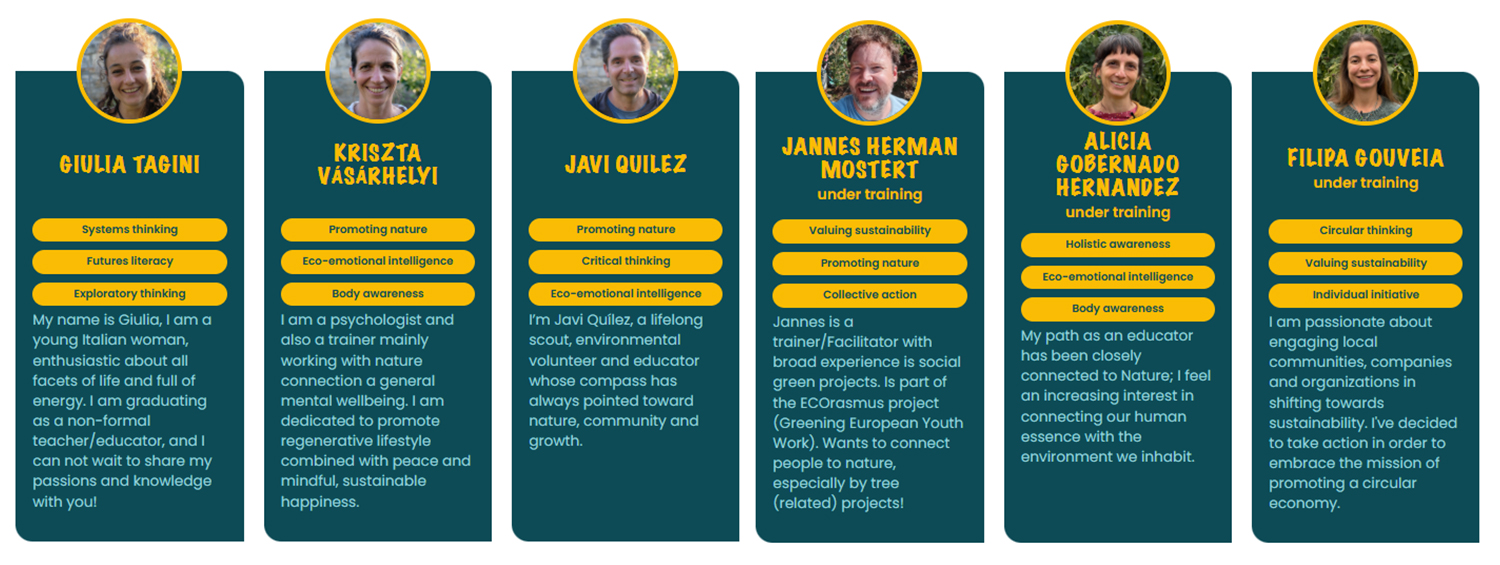
You are invited to explore the members of the Pool and contact them if you see opportunities for collaboration.