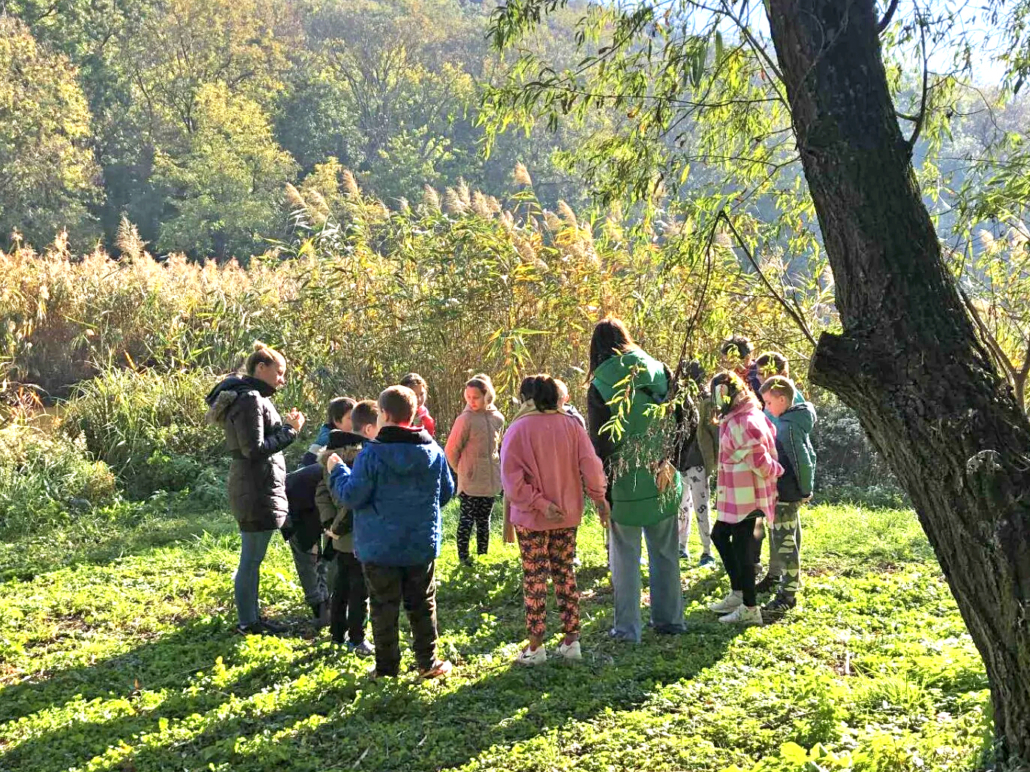
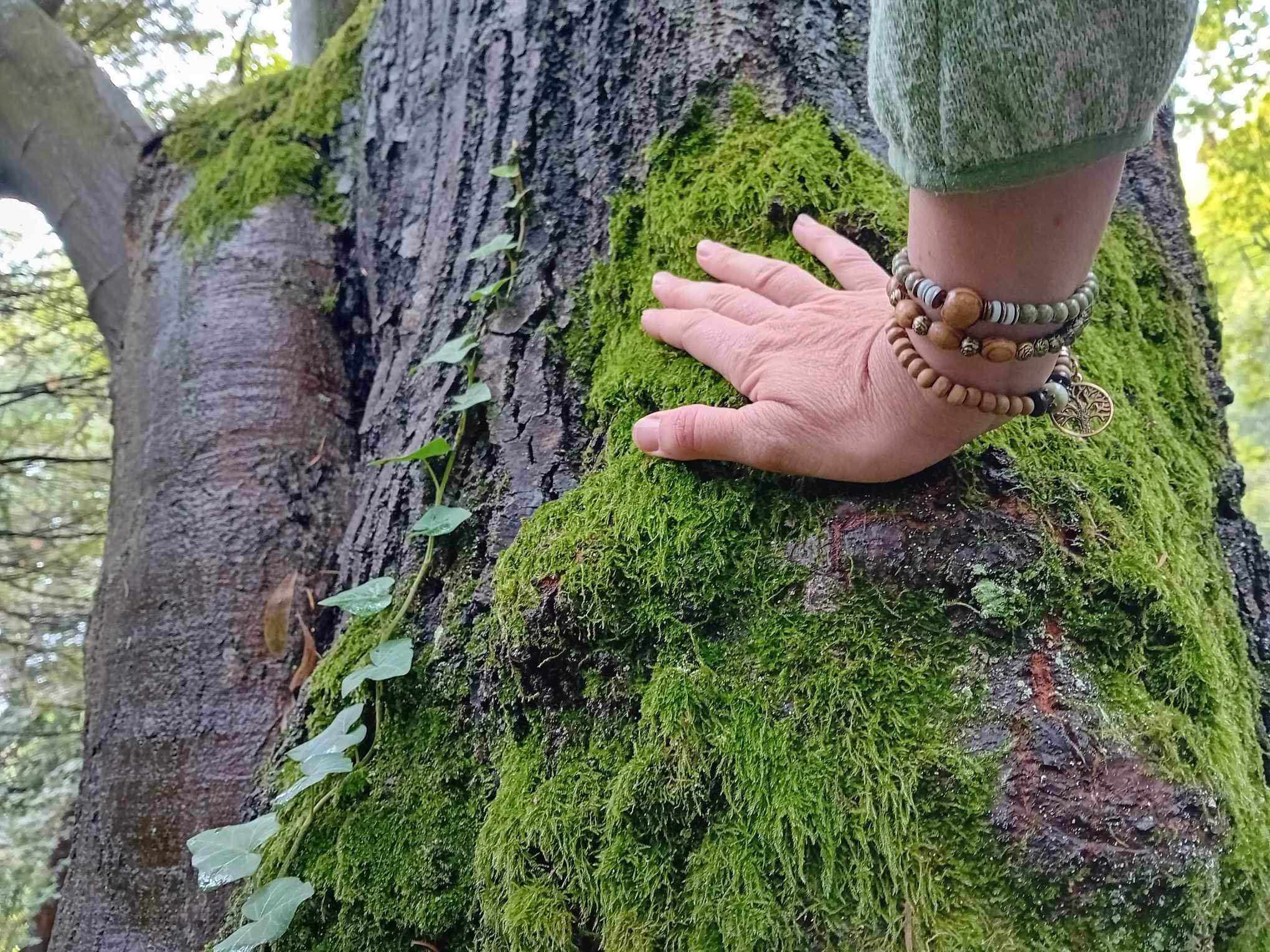
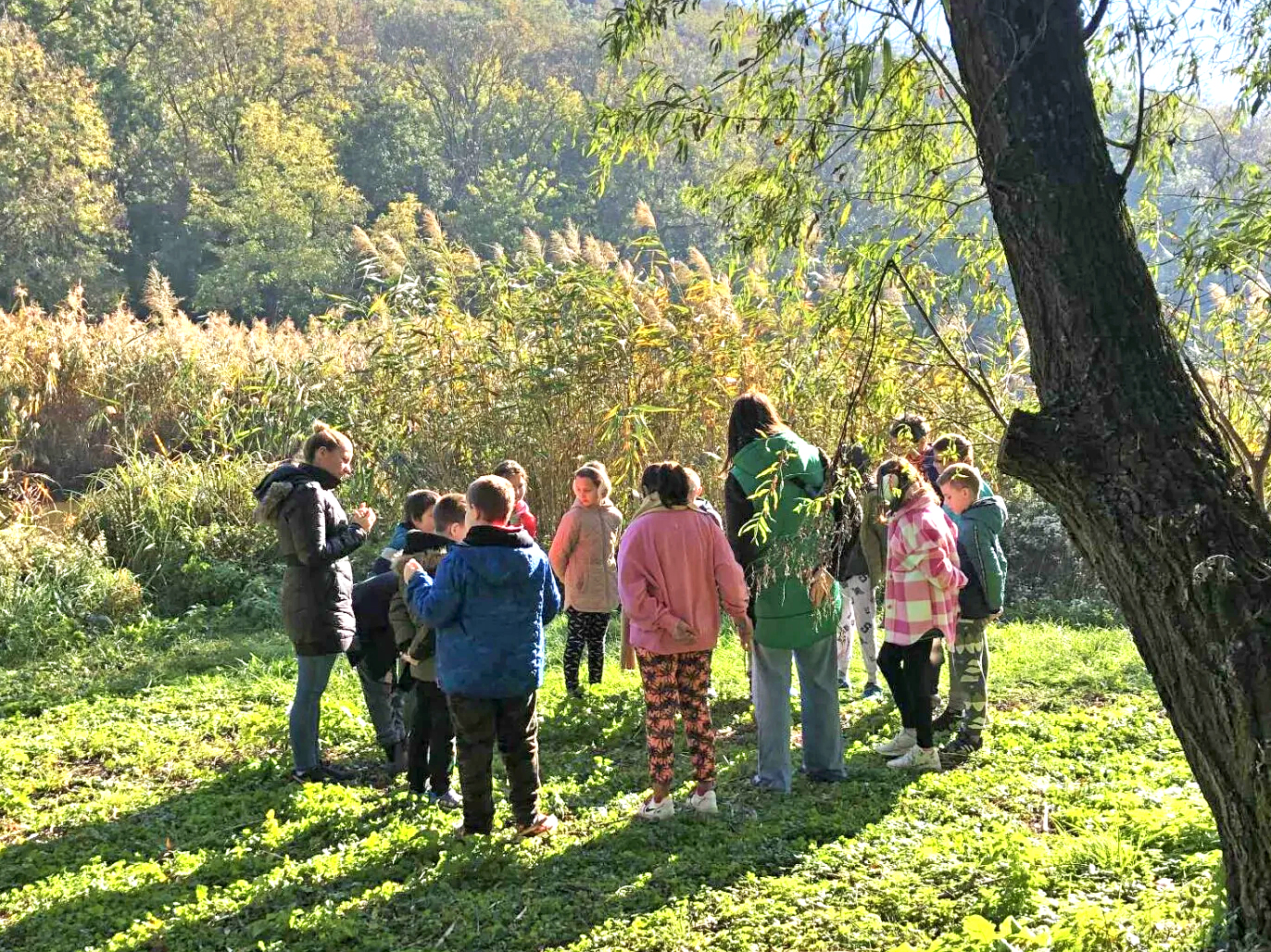
Cuando los jóvenes comprenden quiénes son y cuáles son sus valores, se vuelven más arraigados, resilientes y preparados para actuar como agentes de cambio eco-conscientes..
Construir un futuro sostenible no es tarea pequeña, pero comienza con conciencia, conexión y colaboración. Como nos recuerda Joanna Macy:
"Está en marcha una revolución porque la gente se está dando cuenta de que nuestras necesidades pueden satisfacerse sin destruir nuestro mundo."
Seamos quienes guíen la transición hacia sociedades que sostengan la vida —junto con y a través de la próxima generación.
Si deseas profundizar en el tema, el artículo completo ofrece un análisis de las causas raíz de la insostenibilidad y proporciona orientación práctica para quienes trabajan con jóvenes hacia un futuro más sostenible. ¡Haz clic aquí!