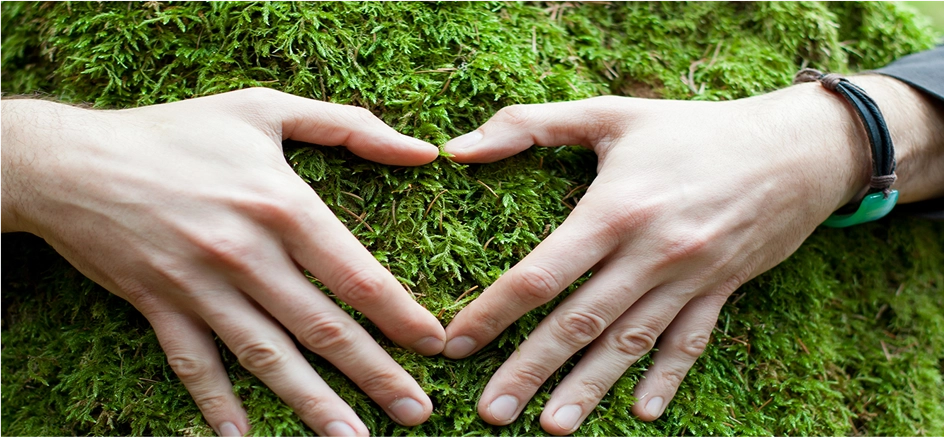
Cuando nos sentimos conectados, no dañamos nuestro entorno cercano ni lejano, porque, según una lógica sencilla, estaríamos dañándonos a nosotros mismos. ¿Y por qué haríamos eso? Este enfoque sistémico extiende naturalmente esta interconexión no solo a los animales, sino también a las plantas y a la materia inanimada, como el agua, los minerales o el aire.
Aunque reconocemos estos hechos, cada vez nos sentimos más desconectados de nuestro entorno y de los demás. Estamos construyendo un ambiente a nuestro alrededor con cada vez menos “seres vivos” —en comparación con la diversidad total posible. En los últimos años, he estado en muchas ciudades donde tuve que caminar varios kilómetros para encontrar un pequeño espacio de tierra y sus sistemas vivos asociados. Así, es difícil sentirse parte integral de la naturaleza en la vida cotidiana.
Otro fenómeno interesante es que la humanidad ha alcanzado un nivel de conciencia que nos permite observar y comprender lo que nos ocurre, incluso a nivel global. Existen tribus conectadas con la naturaleza que viven como parte de una biodiversidad rica e interconectada. Sin embargo, no lo hacen por elección tras considerar múltiples aspectos, ni porque haya resultado ser lo más emocionante tras muchas experiencias espirituales, sino porque es la única realidad para ellos: la comunidad particular en la que nacen y sus normas de vida en cooperación con la naturaleza. Lo que comprenden claramente es que, si no respetan y muestran humildad hacia su entorno, no sobrevivirán.
Vivimos en una época en la que, gracias a la creatividad humana y a los recursos disponibles, tenemos un gran potencial tanto para destruir los sistemas naturales como para generar conciencia sobre la importancia del enfoque ecológico a escala global. Por supuesto, en un mundo materialista, esto no supone un sacrificio precisamente pequeño, pero nunca antes en la historia tuvimos tanta libertad de elección. Elegir “bien”, hacia un ecosistema sostenible, significaría sacrificar nuestras vidas “cómodas” y reducir drásticamente nuestro consumo. ¿Estás, estamos, preparados para ello?